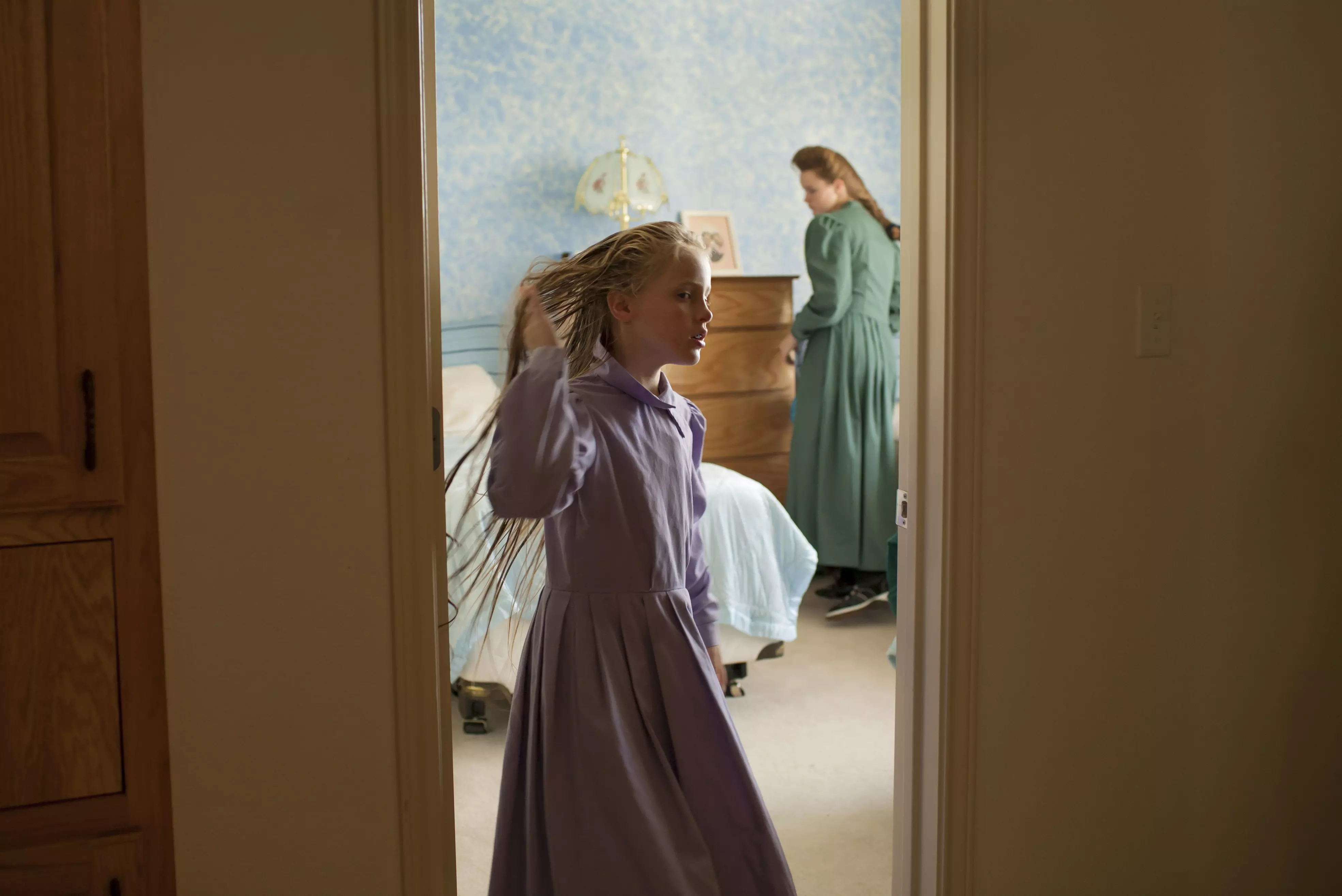
The risks girls face do not disappear in the United States. They take different forms. Poverty, family instability, disability and gaps in support can leave girls at greater risk of child marriage, violence and exploitation, and without the relationships, services and support they need to stay safe, connected and able to shape their futures.
Too Young to Wed began working in the United States in 2025, bringing more than two decades of experience working alongside girls in fragile and underserved communities. We started by listening, working with people already rooted in their communities and learning what girls themselves need.
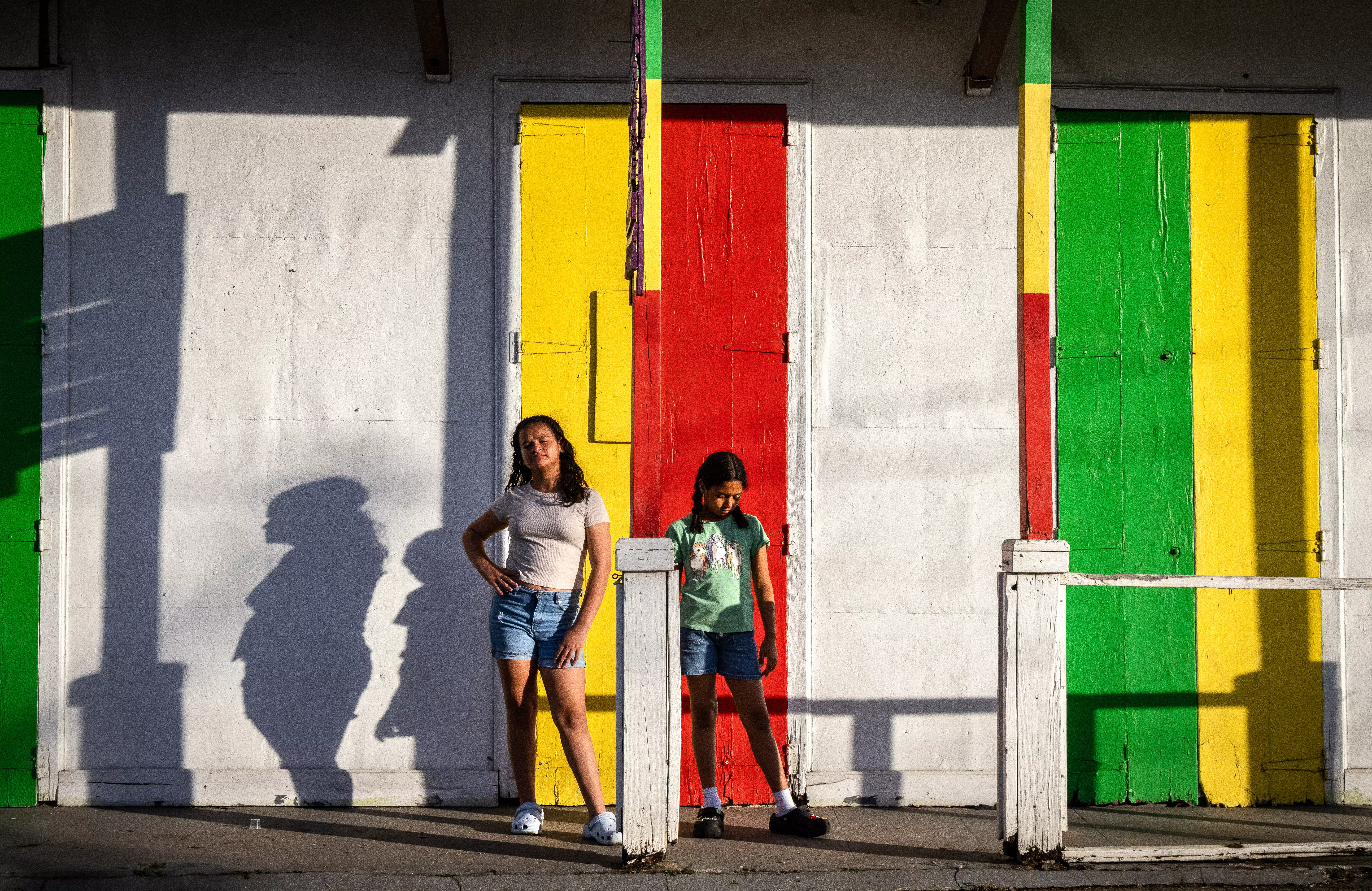

Our first US programme began in Puerto Rico, where TYTW spent time building relationships and understanding the circumstances shaping girls' lives before designing a programme.
Working with La Alianza de Mujeres Viequenses and Harvard's Women and Public Policy Program, TYTW reached 303 families and surveyed 82 households across Vieques and San Juan. The research helped us understand the particular challenges facing girls, including teen pregnancy, economic vulnerability and limited access to comprehensive health education. It also helped shape a locally adapted curriculum covering life skills, health, financial literacy and digital inclusion.
In 2026, we launched Las Mariposas — “The Butterflies” — in Santurce, creating a space where adolescent girls can learn, build relationships, develop practical skills and grow in confidence. The programme is being developed with local partners and shaped around the girls themselves, rather than importing a model developed elsewhere.
That distinction matters. The goal is not to make girls fit a programme. It is to build something that reflects the girls, families and communities who are actually there.
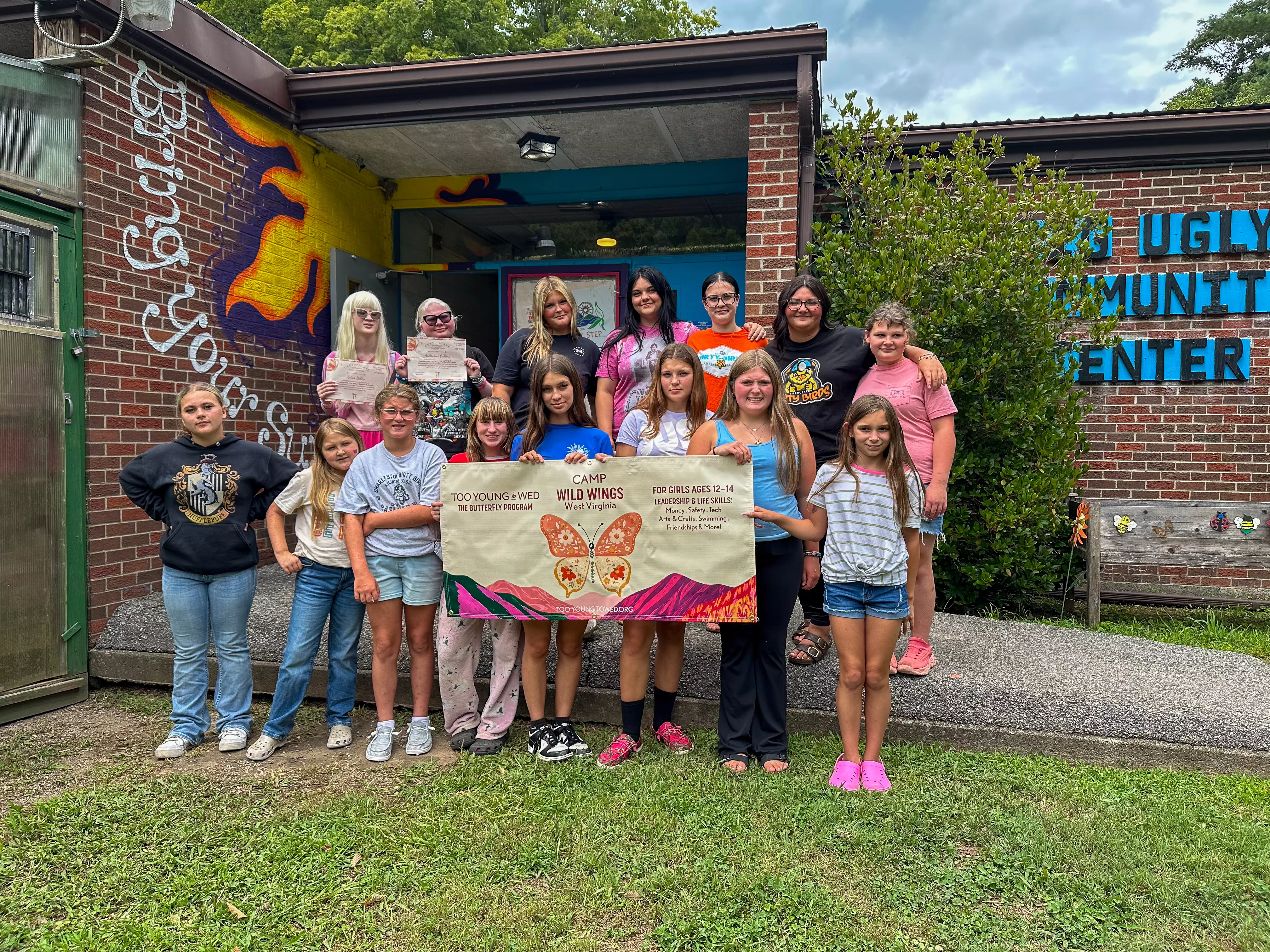
In 2026, TYTW brought a similar approach to Lincoln County, West Virginia, launching Wild Wings for girls who can easily fall through the gaps between existing services.
The first cohort included girls navigating foster care and adoption, girls with disabilities including autism, and girls growing up amid significant economic and family instability. The programme began with an intensive summer camp where girls could build practical skills, friendships, confidence, creativity and leadership. This autumn, Wild Wings is continuing through weekly sessions across the school year, allowing those relationships and skills to develop over time.
Across both programmes, we are learning how easily girls with disabilities and other forms of marginalisation can be left out of programmes intended to build confidence, leadership and social connection. We are building the work around the girls who are actually in the room, and adapting as we learn.
These first programmes are the beginning of TYTW's work in the United States, not its endpoint.
We see an opportunity to build longer-term, locally rooted programmes for girls who are poorly served by existing services, bringing together trusted relationships, practical skills, education and health, leadership, connection and protection.
In Puerto Rico, that means building on the relationships, research and locally adapted curriculum already in place. In West Virginia, it means continuing to learn from girls and families as Wild Wings develops from a summer pilot into sustained programming.
The ambition is to build programmes that give girls the skills, support and opportunities to realise their futures — while helping protect them from the violence, exploitation and other harms that can stand in their way.
After more than two decades working with girls around the world, Too Young to Wed is bringing that experience home and beginning the next chapter alongside girls and communities in the United States.