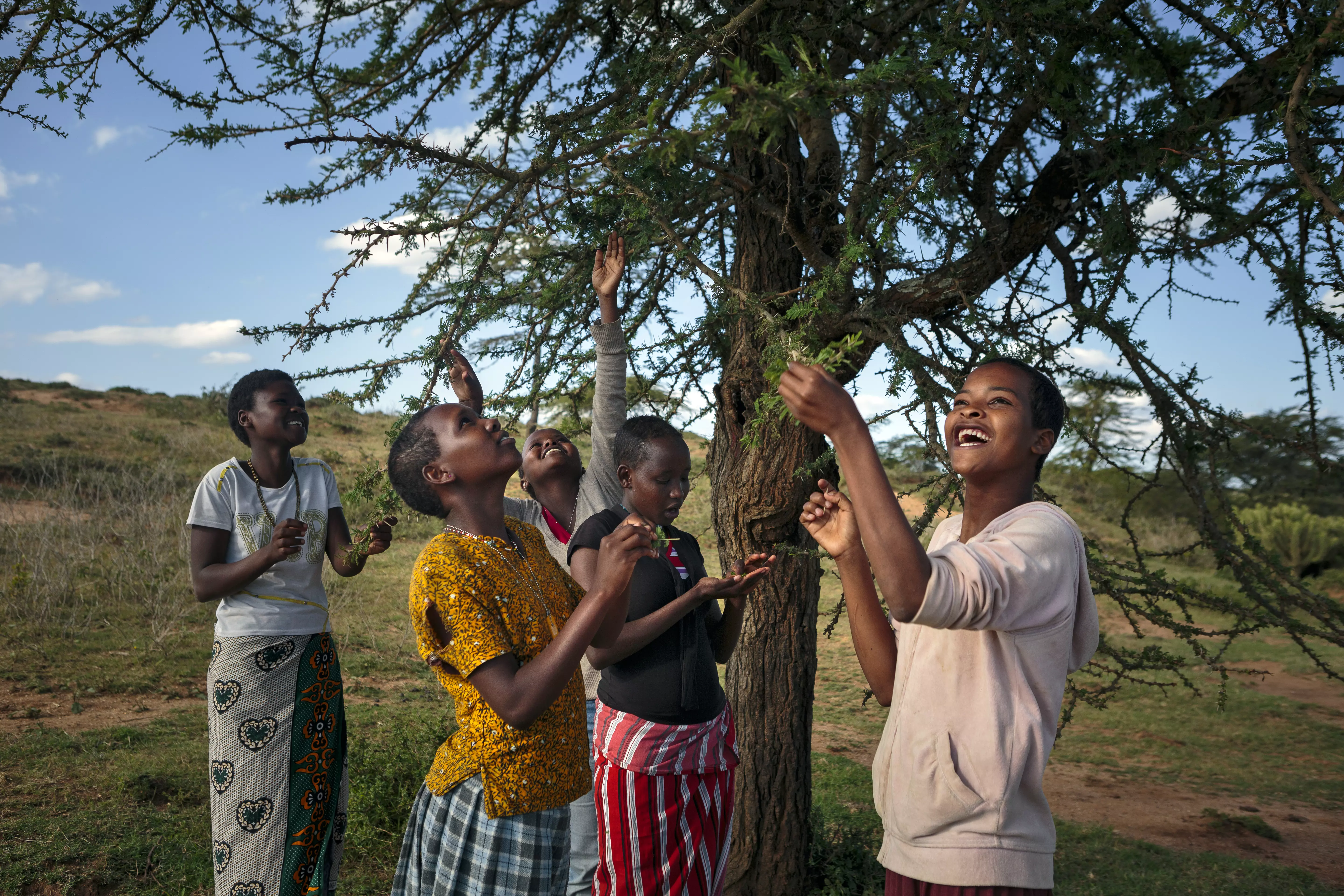
Above, a group of participants of the Tehani Photo Workshop in Samburu County, Kenya.
Advocacy is part of TYTW’s DNA. Our work began with photography and storytelling, bringing the realities of child marriage into global view. In 2011, Stephanie Sinclair’s National Geographic reporting helped build momentum for the movement that became Girls Not Brides; in 2012, TYTW launched its first advocacy campaign and exhibition at the United Nations. In 2014, we brought that advocacy experience together with direct work alongside girls by becoming an independent nonprofit.
That connection still shapes our work today. We bring knowledge and experience from the field, and the voices and perspectives of girls themselves, into policy discussions, research and public debate.
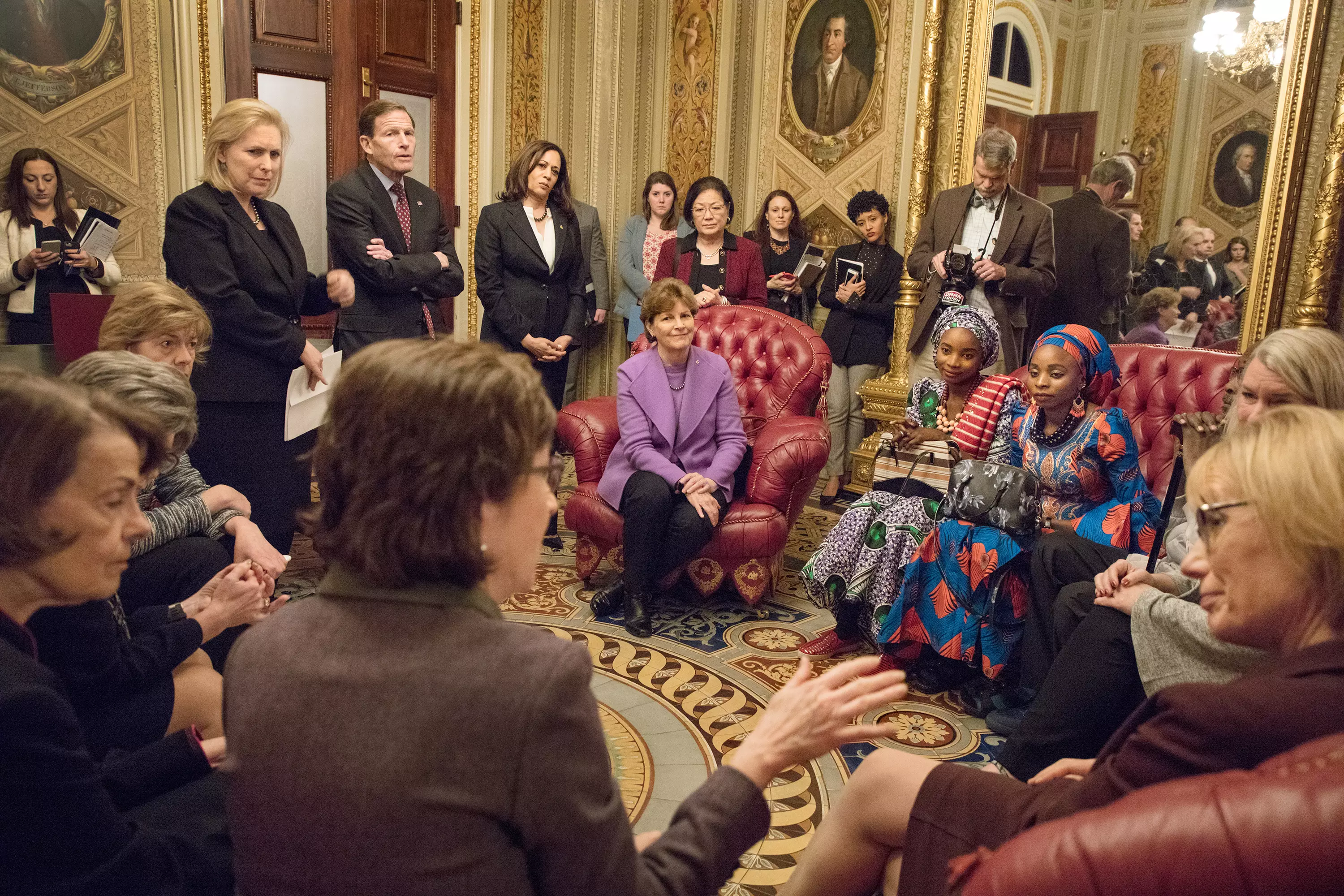
Below, TYTW Leadership Scholarship recipients Hauwa and Ya Kaka speak with 15 US Senators during their advocacy visit to Capitol Hill. Photo by Erin Brethauer.

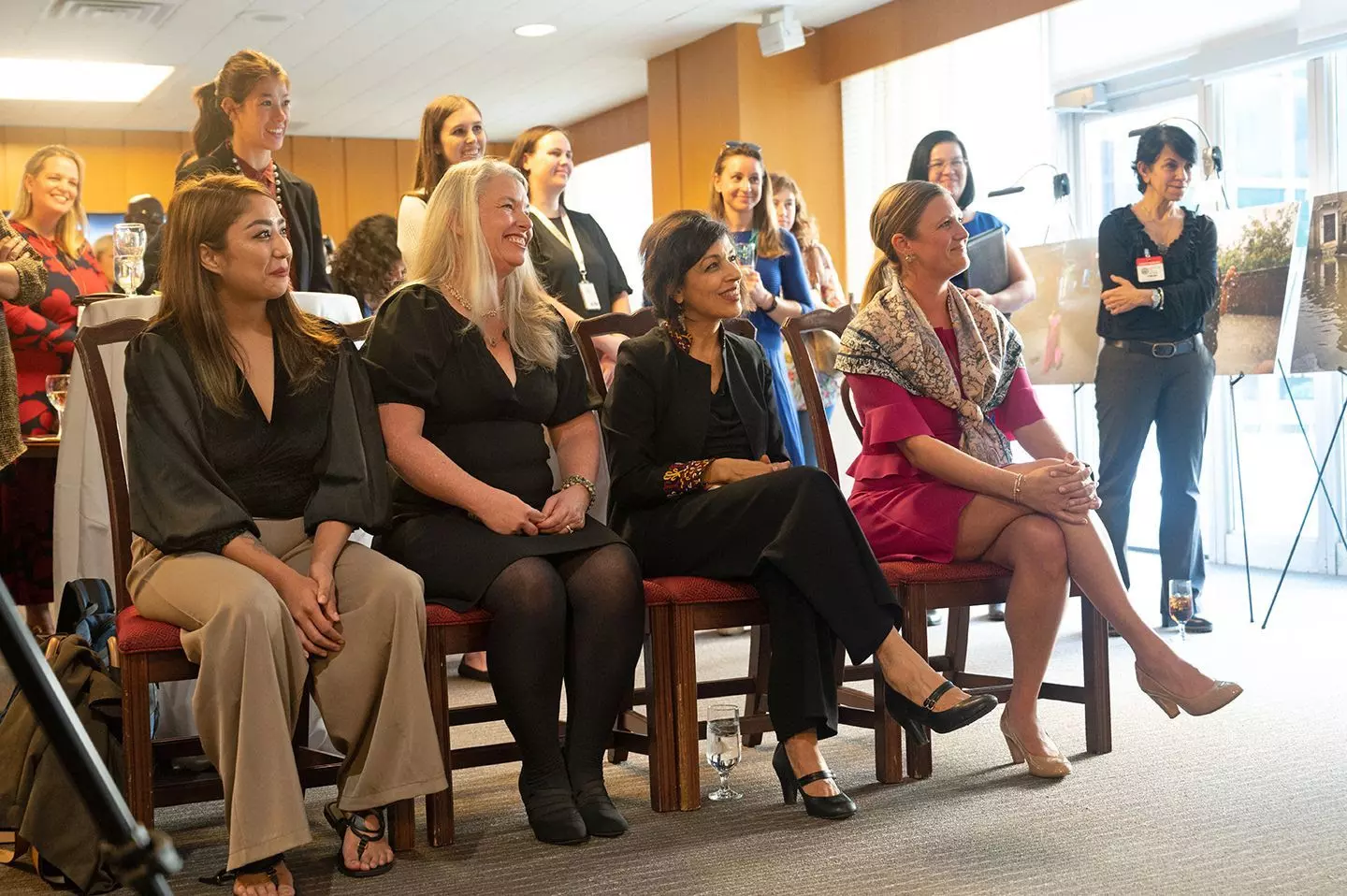
From left to right: Afghan National Lightweight Boxing Champion and TYTW beneficiary Seema Rezai; TYTW President & Founder Stephanie Sinclair, U.S. Special Envoy for Afghan Women, Girls, and Human Rights Rina Amiri, and Senior Advisor in the Secretary’s Office of Global Women’s Issues Varina Winder listen to the Deputy Secretary’s remarks. Photos by Andrea Bruce.
In the United States, TYTW has worked closely with the Tahirih Justice Center and other advocates to build support for the Child Marriage Prevention Act, including its 2026 reintroduction. Our engagement draws on what we have learned from girls and communities affected by child marriage around the world, bringing that experience into efforts to strengthen protection for girls in the United States.
Our work in Afghanistan has also informed US government policy and reporting. TYTW’s education programme and recommendations were featured in the U.S. Government’s 2024 Global Strategy to Empower Adolescent Girls, while TYTW research was cited in the U.S. Department of State’s 2024 Trafficking in Persons Report as a source documenting child marriage under Taliban restrictions.
Our advocacy also brings girls’ experiences from the field into international forums. In 2025, a member of our Afghanistan team testified before the UN Human Rights Council, sharing her own experience of forced marriage, widowhood and the loss of her education and career. Her testimony was part of a wider advocacy effort that contributed to the Council’s decision, four months later, to create an independent investigative mechanism for Afghanistan.
Above, Jane, a child marriage survivor and graduate of the Tehani Photo Workshop in Kenya addresses her community at the final photo exhibition.
Storytelling remains central to our advocacy. Photography, film and other forms of storytelling help make the realities of child marriage, violence and exploitation visible and bring girls’ experiences into conversations far beyond their own communities.
We tell these stories to build understanding and awareness, while treating the girls and women at the centre of them with dignity and care. Our advocacy begins with listening to girls and communities, and carries what we learn into the places where greater understanding, stronger policy and public action can help change what is possible for girls.